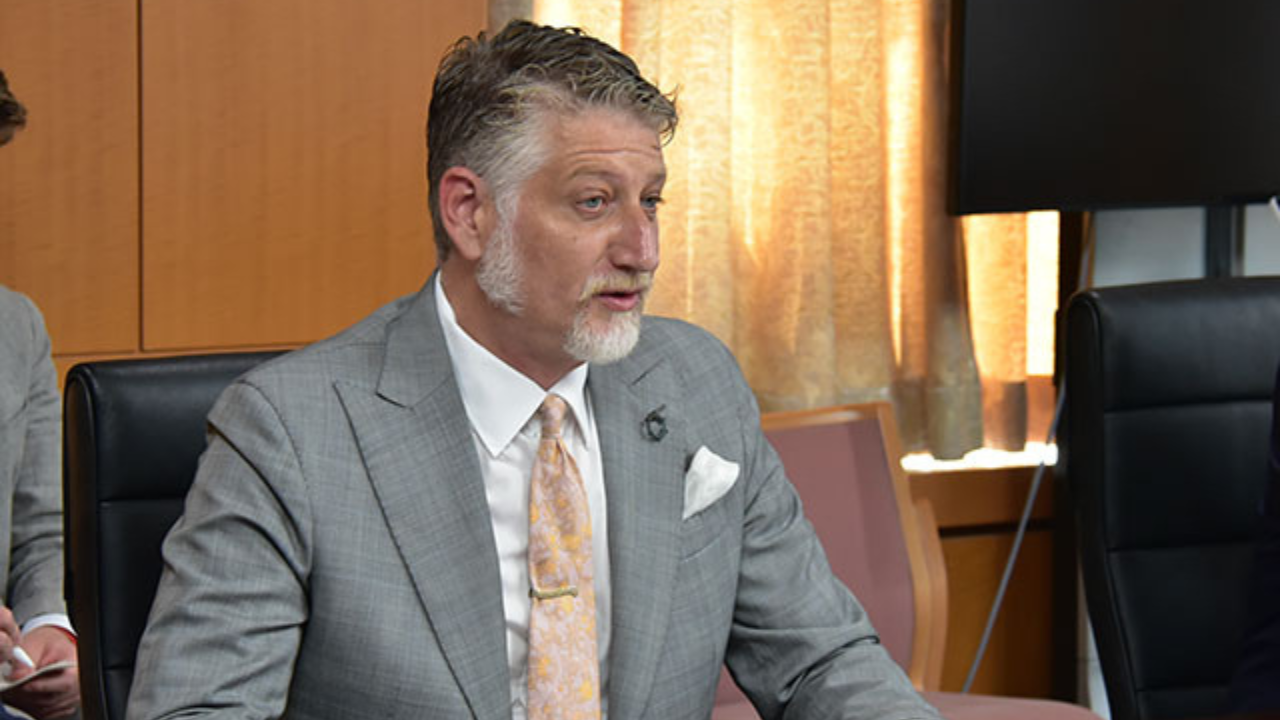
The minister Giuli has signed the 2022–2025 decree for automatic subsidies and the measure for tax credits for film productions. There will be new rules on rates, controls, and maximum caps.
These are two long-awaited interventions for the sector, designed to unlock funds that have remained frozen in recent years and to redefine how the tax credit system will work starting from 2026.
Automatic contributions measure
The decree on automatic contributions updates Ministerial Decree of 15 July 2021, No. 251, bringing it in line with regulatory changes introduced in recent years and making adjustments to evaluation criteria, administrative procedures, and control systems.
The most immediate consequence is the reactivation of funds for the 2022–2025 period: over 138 million euros that are once again made available to the film and audiovisual sector.
The measure also intervenes on specific categories, strengthening support for “difficult works” by increasing scoring allocations and updating the rules for international co-productions.
Tax credit measure
The tax credit production decree, on the other hand, is set within a context of reduced resources (the Fund decreases from 696 million euros in 2025 to 606 million euros in 2026) and introduces a cap on tax credits, eliminating “overshooting” beyond allocated limits.
The new framework also provides reduced rates and maximum limits: the production tax credit drops to 35% (from 40%) and the foreign investment credit to 30%, with tighter limits per individual work and company.
At the same time, caps are set of up to 4 million euros for films and documentaries, 7 million euros for TV and web productions, and 15 million euros for other categories, with the aim of bringing the system back within more clearly defined spending constraints.
Photo Credits: 文部科学省, CC BY 4.0 <https://creativecommons.org/licenses/by/4.0>, via Wikimedia Commons



